
Fiz Casino Sister Sites: How Shared Ownership Affects Your Account and Bonuses
Sister sites complicate the familiar rule that one account belongs to one casino. A platform operated under the same parent company can share more than branding, so signing up somewhere new may still be governed by a limit you set elsewhere or an account history you thought you had left behind. That has consequences worth understanding before treating each site as a clean slate.
The distinction that matters here is between shared ownership and shared operation. Two brands can sit under one company yet run separate accounts, or they can recognise the same player and apply self-exclusion and loss limits across the group. Which model applies is set out in the terms and in the player-protection information of each site, not in the closeness of their design.
See also:
- What Sister Sites Are and How to Tell Them Apart from Unrelated Casinos
- fiz casino: bonus eligibility and conditions
- How Accounts, Limits and Self-Exclusion Can Carry Across Sister Brands
- Bonuses and Promotions Across a Casino Network: What the Terms Usually Say
- Deciding Whether a Sister Site Offers Anything New
- Common Questions About Fiz Casino Sister Sites
- Playing Safely Across Multiple Casino Brands
What Sister Sites Are and How to Tell Them Apart from Unrelated Casinos
The same company, more than one front door
Sister sites are separate casino brands run by one parent company or group. Each brand usually has its own name, homepage and welcome offer, but the business behind it is shared. That shared ownership is the distinction worth holding on to: two casinos can look unrelated on the surface and still answer to the same operator, while two sites with similar styling may have nothing in common beyond a design trend.
The consequence for you is that the brand name is a label, not the whole business. Promotions, account handling and internal limits may be decided at group level rather than by the individual site, which is why the same company can appear in more than one place under different names.
Tracing which brands belong together
Ownership information sits in the legal small print rather than the marketing pages. The reliable places to look are the site footer, the terms and conditions, and the privacy notice, where the operating company is normally named. Compare that company name, not the logo, against another casino you are curious about. A matching registered company name is a strong signal of a shared group; a matching visual style proves nothing.
Licensing details give a second thread. Where a site publishes its licence and the name of the licensee, that licensee often operates several brands, and checking the same register entry for another site can confirm the link. The company number or registered address in the terms is the most concrete identifier, because brand names change while the legal entity usually does not.
Affiliate lists, review sites and forum posts are weaker evidence. They mix genuine ownership facts with marketing claims and outdated information, and a site described as a sister brand may simply share an affiliate programme. Treat those mentions as a prompt to check the legal documents yourself, not as confirmation.
fiz casino: bonus eligibility and conditions
Selecting a gaming venue involves balancing distinct operational features. A direct comparison of core attributes exposes practical differences that marketing copy often obscures.
| Brand | Details |
|---|---|
| fiz casino | Fiz casino offers a no-deposit bonus, free spins and a real cash welcome bonus, with a 210% deposit bonus tied to 100x wagering. |
Fiz casino presents its welcome package in three forms: a no-deposit bonus, free spins and a real cash bonus for depositors. The headline deposit figure is 210%, which sounds generous until you weigh it against the playthrough attached to it. The bonus is subject to a 100x wagering requirement, so clearing it means staking many times the bonus value before anything can be withdrawn.
Understanding these variations helps prioritise what matters most, turning abstract claims into concrete criteria for choosing a suitable environment.
How Accounts, Limits and Self-Exclusion Can Carry Across Sister Brands
What a single registration can set in motion
The useful distinction is between the brand you log into and the player record behind it. Where sister sites share a player account system, registering at fiz casino can mean the same set of personal details is already on file when you open a related brand. Sign-in, password resets and identity checks may then route through one record rather than several separate ones. That saves repetition, but it also means a change to your details at one brand may not stay local to that brand.
Limits deserve the same attention. A deposit limit is usually a setting on an account, not a preference tied to one web address. If the record is shared, a limit set at fiz casino may apply when you play on a sister brand, and the operator may apply the stricter of two limits rather than the later one. Self-exclusion is the sharper case: where brands operate on a shared platform, excluding yourself from one may block access across the group. That is often the intended effect, because the purpose is to interrupt access rather than to redirect it.
magic red casino bonus: How They Work and What They’re Worth
Checking what applies to you
Shared systems are a possibility, not a certainty for every linked brand. Before relying on a limit to manage your play, open the responsible gambling settings on each site you use and look at what is recorded there. If a setting is not visible, ask support whether the account is linked to a group record and whether an exclusion placed at fiz casino covers the sister brands. For closure, distinguish deleting a login from closing the player account itself: only the second ends the underlying record that limits and exclusions attach to.
Bonuses and Promotions Across a Casino Network: What the Terms Usually Say
Where eligibility for a network offer is actually written
A bonus page tells you what is on offer; the terms decide who may take it. Across a casino network, the part that usually settles a welcome offer or free spins claim is the eligibility clause, not the headline. That clause tends to define who counts as a new customer, which jurisdictions and age groups can take part, whether one person may hold promotions at several related brands, and whether a welcome package is reserved for a first account in the network as a whole rather than a first account with the individual site.
The distinction matters because two brands under common ownership can each advertise a welcome deal while sharing a single definition of a new player. Read the eligibility and "one per person/household" wording together. A code box at sign-up or in the cashier redeems a specific promotion; it does not override the surrounding conditions, and a rejected code may simply mean the account already used the network offer or sits outside the eligible group.
Reading the clauses that limit or link promotions
The terms typically spread the answer across several short sections: eligibility, excluded countries, the free spins or bonus conditions, and a general restriction on duplicate accounts. On a phone the cashier and the promotion page are easy to reach; the document that governs the offer often sits behind a footer link, so check it before depositing rather than after a claim is refused. Look for language about accounts "in the group", "affiliated brands" or a single welcome bonus per customer, because that phrasing is what links promotions across sites rather than leaving each one independent.
Returning-customer offers follow the same logic from the other direction. A promotion for existing players may state which account history qualifies, and whether activity at a sister brand counts towards or against it. Read those clauses as a set. If the wording describes one welcome promotion per person across the brands, claiming twice is likely to lead to a reversed bonus or a locked withdrawal; if it treats each brand separately, the offers stand alone. The paperwork decides, and it is the only reliable place to confirm which model applies.
Deciding Whether a Sister Site Offers Anything New
Shared games mean shared menus, not a new casino
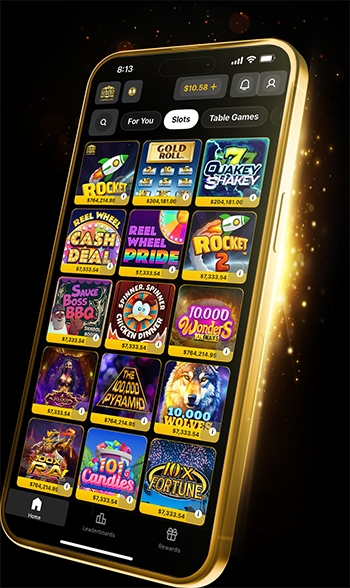
A sister site backed by the same platform often runs the same game catalogue. The roulette wheel, the slot titles and the table layout may be identical because both brands draw from one supplier arrangement. Opening a second account to reach those games gains you almost nothing beyond another login. The useful test is to look for a specific title or table variant the first site does not carry; if you cannot name one, you are probably looking at the same product with a different header.
Differences that justify a new account tend to sit in the interface, not the game list. A site adapted for a particular audience may present tables in a layout you find clearer, offer a different route into live dealer rooms, or place the search and filter tools where you expect them. Whether any of that matters is a personal judgement. None of it changes the underlying odds on a roulette spin or a slot result.
A sportsbook or extra product area is the stronger reason
The clearer case for joining a related brand is a product the first one lacks. A sister casino may share the casino platform but operate a separate sports area, with its own interface, markets and account flows. If you want to place bets on football alongside your table play, that product boundary is more meaningful than a cosmetic rebrand. Ask whether the operator publishes its sports offering under the brand you are considering, and whether your existing login from the casino side carries over or a fresh registration is required.
Registration is where the real cost of a second account appears: another identity check, another set of contact details, another account to keep track of. Weigh that against the concrete gain. A duplicate slot catalogue does not clear the bar. A genuinely separate betting product, or a games range you have checked item by item, might. The decision rests on what you can point to, not on the impression that a different logo promises a different experience.
Common Questions About Fiz Casino Sister Sites
If I open a Fiz Casino sister site in the same browser, will I still be signed in to my existing account?
No. Sessions are tied to the individual domain, so a shared parent company does not mean a shared login cookie. Expect to enter credentials again, and treat any prompt to reuse the same password as a cue to set a different one.
An offer on a sister site was activated but the promotional balance still shows zero. What should I check first?
The offer record itself. Open the bonus history on that site rather than the cash balance, since a promotion can sit as pending until a qualifying deposit or first wager registers. If the record shows activated with no credit, the qualifying step has not completed.
The sign-up form closed before I saw a confirmation screen. Is the account open?
Try signing in before registering again. A duplicate attempt on the same site can stall the process, and the account may already exist with a verification email sent. Check that inbox, then use the site’s account recovery route if sign-in fails.
Playing Safely Across Multiple Casino Brands
Juggling several casino accounts is a bookkeeping task as much as a gambling one. Deposit limits and time limits are usually set per account, so three brands can mean three separate limits, and a loss you would have stopped at on one site can continue on another unnoticed. Decide your total spend before opening any of them, then set each account’s limit to fit within it. A cool-off or self-exclusion may not transfer between unrelated operators, though shared ownership can change that. GAMSTOP, the UK-wide scheme, covers participating licensed sites. GamCare and the National Gambling Helpline on 0808 8020 133 offer support. Only players aged 18 or over may gamble, and chasing losses across accounts is the pattern to avoid.